


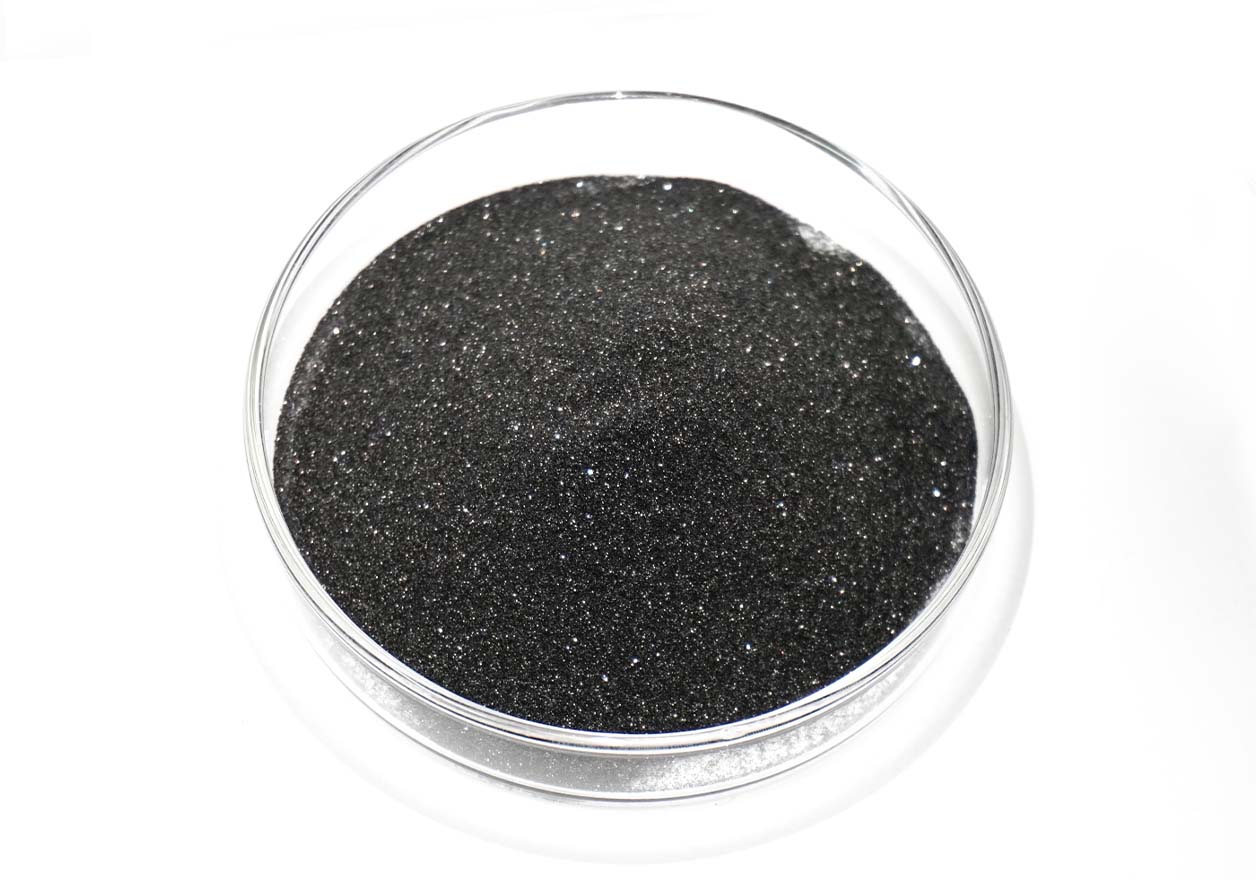
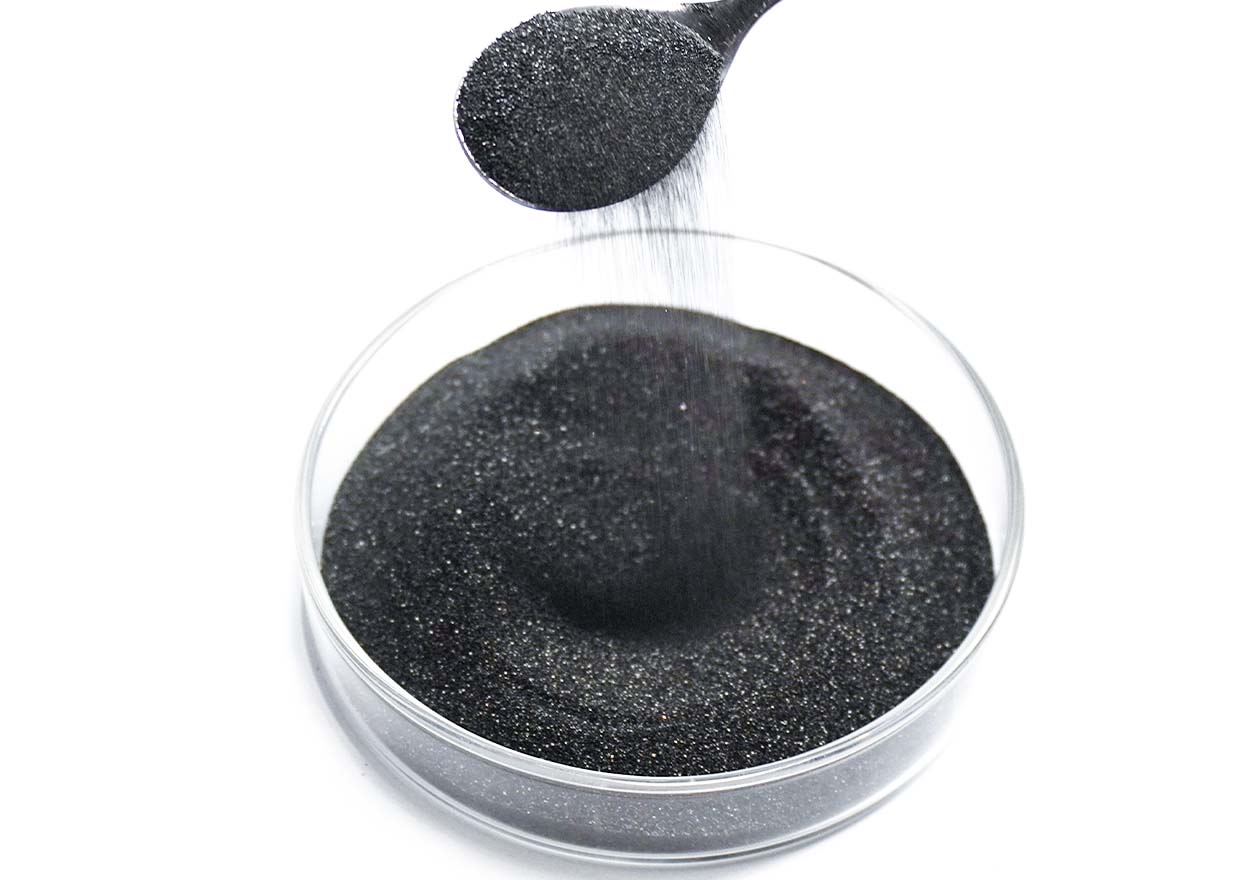
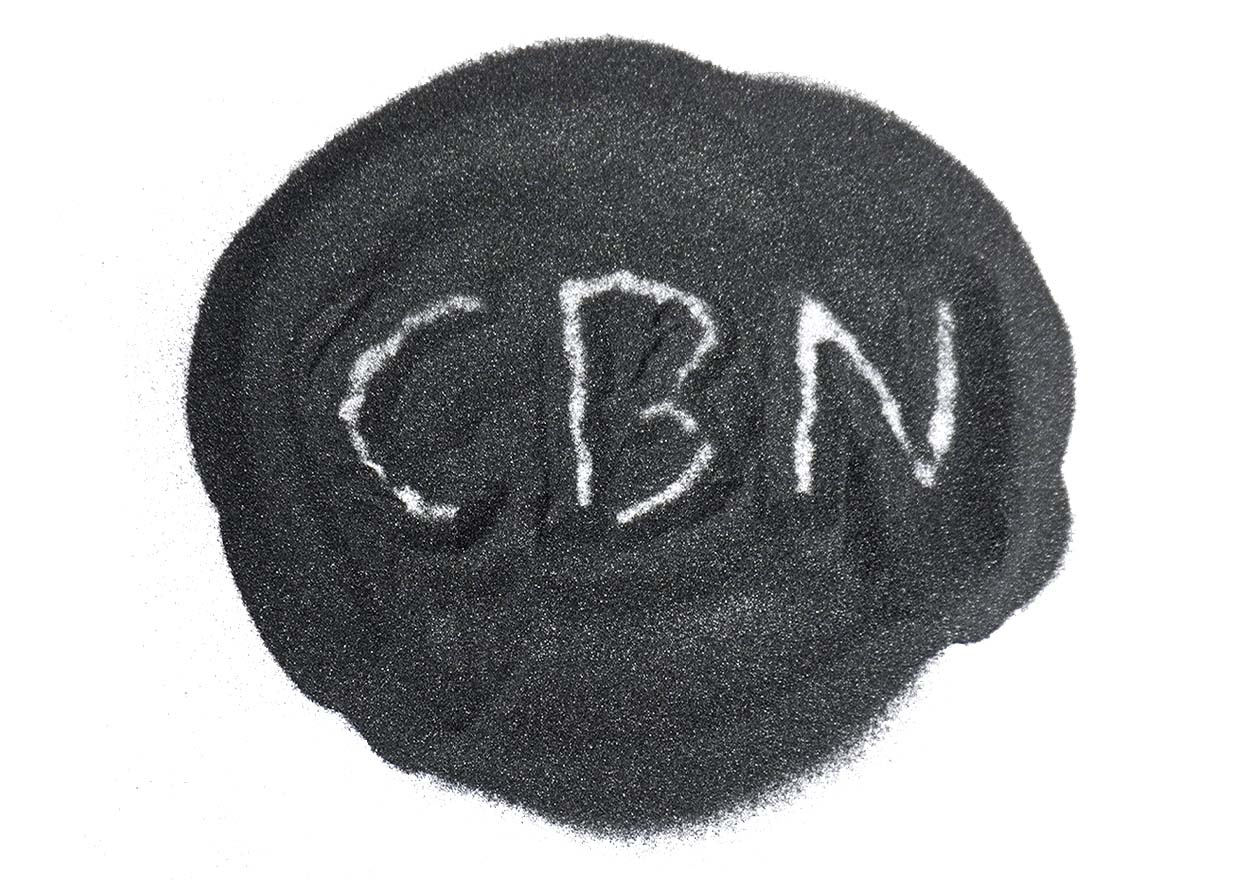
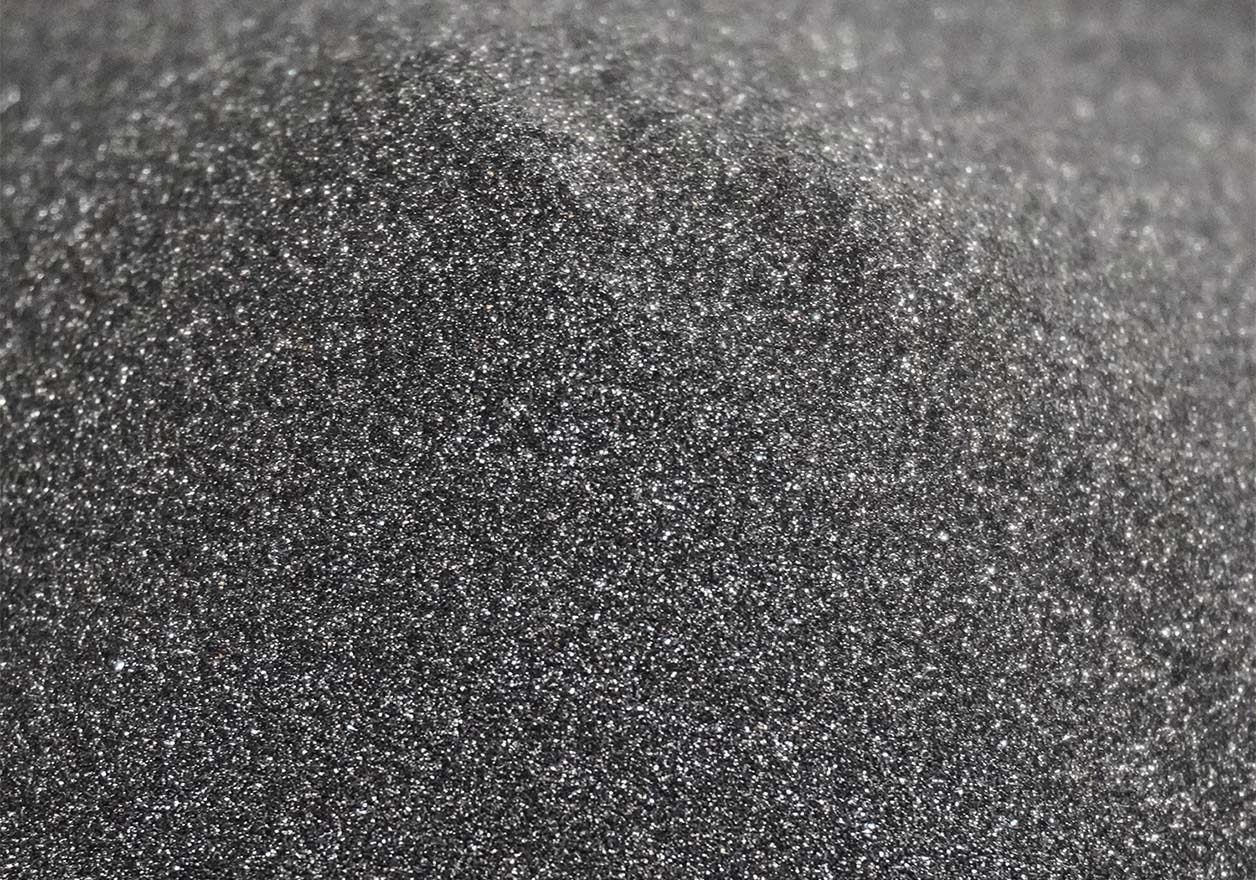
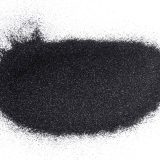
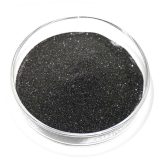
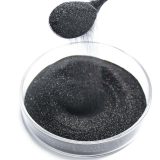
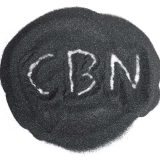


Cubic boron nitride (c-BN) is a synthetic superhard material with a Mohs hardness of 9.7, second only to diamond. It offers extreme wear resistance—over 10 times that of cemented carbide—enabling stable processing of high-hardness materials (≥HRC 65). With an oxidation resistance up to 1450°C, c-BN outperforms diamond in high-temperature stability and exhibits excellent chemical inertness toward iron, nickel, and their alloys, making it ideal for ferrous metal processing. Its powder morphology can be precisely controlled across nano- (0.1–1 μm) to micro-scale (5–100 μm) sizes, meeting diverse dispersion and sintering needs in high-end manufacturing, semiconductors, and aerospace applications.

| Product Model | Purity | Particle Size | Packaging | Typical Applications |
| c-BN-M1 | 99.50% | 5-10μm | 1kg/25kg | Grinding wheels, common cutting tools |
| c-BN-M2 | 99.90% | 0.3-1μm | 1kg/25kg | Semiconductor wafer polishing, precision coatings |
| c-BN-N1 | 99.90% | 200-300nm | 100g/1kg | Optoelectronic device packaging, nanocomposite ceramics |
| Custom | 99.99% | Customizable | Custom | Aerospace high‑temperature components, high‑end semiconductors |
Cubic boron nitride (c-BN), with chemical formula BN and space group F43m, has a unit cell constant of 3.62 Å, density of 3.48 g/cm³, melting point of 3000 °C, oxidation resistance up to ~1300 °C, and Knoop hardness of 47 GPa. This synthetic superhard material, which does not occur naturally, typically forms dark brown to gray or light yellow crystals. It is commonly produced from hexagonal boron nitride (h-BN) using alkali/alkaline earth metals or their nitrides as catalysts under static ultra-high pressure (above 5 GPa and 1000 °C), or via an explosive catalyst-free method. Although slightly less hard than diamond, c-BN exhibits superior thermal stability and chemical inertness toward iron and its alloys, making it especially suitable for machining difficult materials such as high-hardness quenched steel and stainless steel, and used in grinding tools, polycrystalline turning tools, milling cutters, and drills.
| Property Category | Parameter | Value / Description | Notes |
| Basic Information | Chemical Formula | c-BN | Zinc‑blende structure, cubic crystal system |
| Molecular Weight | 24.82 g/mol | Theoretical value | |
| Elemental Composition | 43.6% B,56.4% N | Reference for purity ≥ 99.9% | |
| Crystal Structure | Zinc‑blende (space group F 4 3 m) | Lattice constant a = 0.3615 nm, B‑N bond length 0.157 nm | |
| Mechanical Properties | Mohs Hardness | 9.7-9.8 | Second only to diamond (10) |
| Vickers Hardness | 68.6-88.2 GPa | Microhardness 71,540‑98,000 MPa | |
| Compressive Strength | ~ 7.2 GPa | Reference for industrial‑grade powder / sintered bodies | |
| Flexural Strength | ~ 294 MPa | Measured on sintered products | |
| Friction Coefficient | 0.1-0.3 | Lower than diamond and carbide when rubbing against metals | |
| Thermal Properties | Density | 3.48 g/cm³ | Measured at ambient conditions |
| Thermal Conductivity | 79.5-740 W/(m·K) | Increases with purity / temperature; typical ~200 W/(m·K) at RT | |
| Thermal Expansion Coefficient | 1.2×10⁻⁶ /K(25℃) | Isotropic; slightly increases at high temperature | |
| Oxidation Resistance Temp. | 1400-1450℃ | In air, higher than diamond (700‑800 °C) | |
| Decomposition Temperature | >2700℃ | Sublimes in vacuum, does not melt | |
| Electrical Properties | Resistivity | 10¹⁶ -10¹⁹ Ω・cm(RT) | Insulating material; significantly affected by impurities |
| Band Gap | 6.4 eV | For semiconductor‑grade c‑BN; tunable via doping | |
| Dielectric Constant | 7.1(1 MHz) | Excellent high‑frequency insulation | |
| Chemical Properties | Chemical Stability | Resistant to acids/bases in neutral/reducing media; highly inert to Fe‑group metals | Does not react with Fe, Ni, etc. at high temperatures; superior to diamond |
| Solubility | Insoluble in water, HCl, H₂SO₄, etc. | Slowly corroded by hot strong bases; soluble in molten alkali‑metal carbonates | |
| Impurity Content | Standard ≤ 0.5%; high‑end ≤ 0.01% | Main impurities: SiO₂, B₂O₃, Fe, etc. | |
| Other Characteristics | Appearance | White / light‑yellow loose powder | Higher purity yields lighter color |
| Storage Stability | Shelf life 18 months in sealed, dry conditions | Use within 3 months after opening; prevent moisture/clumping |
Key Characteristics Notes:
GRAIN COMPARISON FOR MONO-CRYSTAL
| China GB/T6406-1995 |
International Standards | Europe | USA ANSIB74.16-1971 |
Japan JIS4130-1988 |
Russia 9206-80 |
Theoretical size | ||||||||
| 40/50 | 425/300 | 427 | 40/50 | 425/300 | B/427 | 355/300 | 40/50 | 425/300 | 40/50 | 425/300 | 500/400 | 500/400 | 0.015 | 0.378 |
| 50/60 | 300/250 | 301 | 50/60 | 300/250 | B/301 | 200/250 | 50/60 | 300/250 | 50/60 | 300/250 | 400/315 | 400/315 | 0.011 | 0.288 |
| 60/80 | 250/180 | 250 | 60/80 | 250/180 | B/250 | 250/180 | 60/80 | 250/180 | 60/80 | 250/180 | 250/200 | 250/200 | 0.009 | 0.226 |
| 80/100 | 180/150 | 181 | 80/100 | 180/150 | B/181 | 180/150 | 80/100 | 180/150 | 80/100 | 180/150 | 200/160 | 200/160 | 0.0069 | 0.174 |
| 100/120 | 150/125 | 151 | 100/120 | 150/125 | B/151 | 150/125 | 100/120 | 150/125 | 100/120 | 150/125 | 160/125 | 160/125 | 0.0058 | 0.148 |
| 120/140 | 125/106 | 126 | 120/140 | 125/106 | B/126 | 125/106 | 120/140 | 125/106 | 120/140 | 125/106 | 125/100 | 125/100 | 0.0048 | 0.123 |
| 140/170 | 106/90 | 107 | 140/170 | 106/90 | B/107 | 106/90 | 140/170 | 106/90 | 140/170 | 106/90 | 100/80 | 100/80 | 0.0041 | 0.103 |
| 170/200 | 90/75 | 91 | 170/200 | 90/75 | B/91 | 90/75 | 170/200 | 90/75 | 170/200 | 90/75 | 80/63 | 80/63 | 0.0034 | 0.086 |
| 200/230 | 75/63 | 76 | 200/230 | 75/63 | B/76 | 75/63 | 200/230 | 75/63 | 200/230 | 75/63 | 63/50 | 63/50 | 0.003 | 0.075 |
| 230/270 | 63/53 | 64 | 230/270 | 63/53 | B/64 | 63/53 | 230/270 | 63/53 | 230/270 | 63/53 | 50/40 | 50/40 | 0.0026 | 0.066 |
| 270/325 | 53/45 | 54 | 270/325 | 53/45 | B/54 | 53/45 | 270/325 | 53/45 | 270/325 | 53/45 | 0.0022 | 0.057 | ||
| 325/400 | 45/38 | 46 | 325/400 | 45/38 | B/46 | 45/38 | 325/400 | 45/38 | 325/400 | 45/38 | 0.0019 | 0.048 | ||
GRAIN COMPARISON FOR MICRO POWER
| China JB/T7999-1998 |
Europe | USA ANSIB74.20-1981 |
Japan JIS6002-63 |
Germany DIN848-65 |
Russia 9206-80 |
GE | E6 | ||||||||
| grain | size | grain | size | grain | size | grain | size | grain | size | grain | size | grain | size | grain | size |
| M36/54 | 35-54 | M63 | 22-84 | 60 | 54-80 | 400 | 37/34 | D45 | 40/50 | 60/40 | 40-60 | 54-80 | 54-80 | 80-40 | 80-40 |
| M22/36 | 22-36 | M40 | 27-53 | 45 | 36-54 | 500 | 34/28 | D35 | 32/40 | 40/28 | 28-40 | 40-60 | 40-60 | 60-30 | 60-30 |
| M20/30 | 20-30 | M25 | 16-34 | 30 | 22-36 | 600 | 28/24 | D25 | 25/32 | 28/20 | 20-28 | 36-54 | 36-54 | 40-20 | 40-20 |
| M12/22 | 12-22 | M16 | 10-22 | 15 | 12-22 | 700 | 24/20 | D20 | 25/40 | 20/14 | 14-20 | 30-40 | 30-40 | 35-15 | 35-15 |
| M10/20 | 10-20 | M10 | 6-14 | 9 | 8-12 | 800 | 20/16 | D20A | 25/30 | 14/10 | 10-14 | 22-36 | 22-36 | 20-10 | 20-10 |
| M8/16 | 8-16 | M6.3 | 4-9 | 6 | 4-8 | 1000 | 16/13 | D20B | 30/40 | 10/7 | 7-10 | 20-30 | 20-30 | 16-8 | 16-8 |
| M8/12 | 8-12 | M4.0 | 2.5-3.5 | 3 | 2-4 | 1200 | 13/10 | D15 | 15/25 | 7/5 | 5-7 | 15-25 | 15-25 | 12-6 | 12-6 |
| M6/12 | 6-12 | M2.5 | 1.5-3.5 | 1 | 0-2 | 1500 | 10/8 | D15A | 10/15 | 5/3 | 3-5 | 15-20 | 15-20 | 8-4 | 8-4 |
| M5/10 | 5-10 | M1.6 | 1.0-2.5 | 1/2 | 0-1 | 2000 | 8/6 | D15B | 15/20 | 3/2 | 2-3 | 12-22 | 12-22 | 6-3 | 6-3 |
| M4/8 | 4-8 | M1.0 | 0.5-1 | 2500 | 6/5 | D15C | 20/25 | 2/1 | 1-2 | 10-20 | 10-20 | 4-21 | 4-21 | ||
| M3/6 | 3-6 | 3000 | 5/4 | D7 | 5/10 | 1/0 | 0-1 | 10-15 | 10-15 | 3-1.5 | 3-1.5 | ||||
| M2.5/5 | 2.5-5 | 4000 | 4/3 | D3 | 2/5 | 6-12 | 6-12 | 2-1 | 2-1 | ||||||
| M2/4 | 2-4 | 5000 | 3/2 | D1 | 1/2 | 5-10 | 5-10 | 1.5-3/4 | 1.5-3/4 | ||||||
| M1.5/3 | 1.5-3 | 8000 | 2/1 | D0.7 | 0.5/1 | 4-8 | 4-8 | 1-0.5 | 1-0.5 | ||||||
| M1/2 | 1-2 | 15000 | 1/0 | D0.25 | 0.5 | 3-6 | 3-6 | 0-1 | 0-1 | ||||||
| M0/2 | 0-2 | 2-4 | 2-4 | 0-0.5 | 0-0.5 | ||||||||||
| M0.5/1.5 | 0.5-1.5 | 1-3 | 1-3 | ||||||||||||
| M0.5/1 | 0.5-1.5 | 1-2 | 1-2 | ||||||||||||
| M0/1.0 | 0-1 | 0-2 | 0-2 | ||||||||||||
| M0/0.5 | 0-0.5 | 0-1 | 0-1 | ||||||||||||
| 0-1/2 | 0-1/2 | ||||||||||||||
Reviews
There are no reviews yet.