

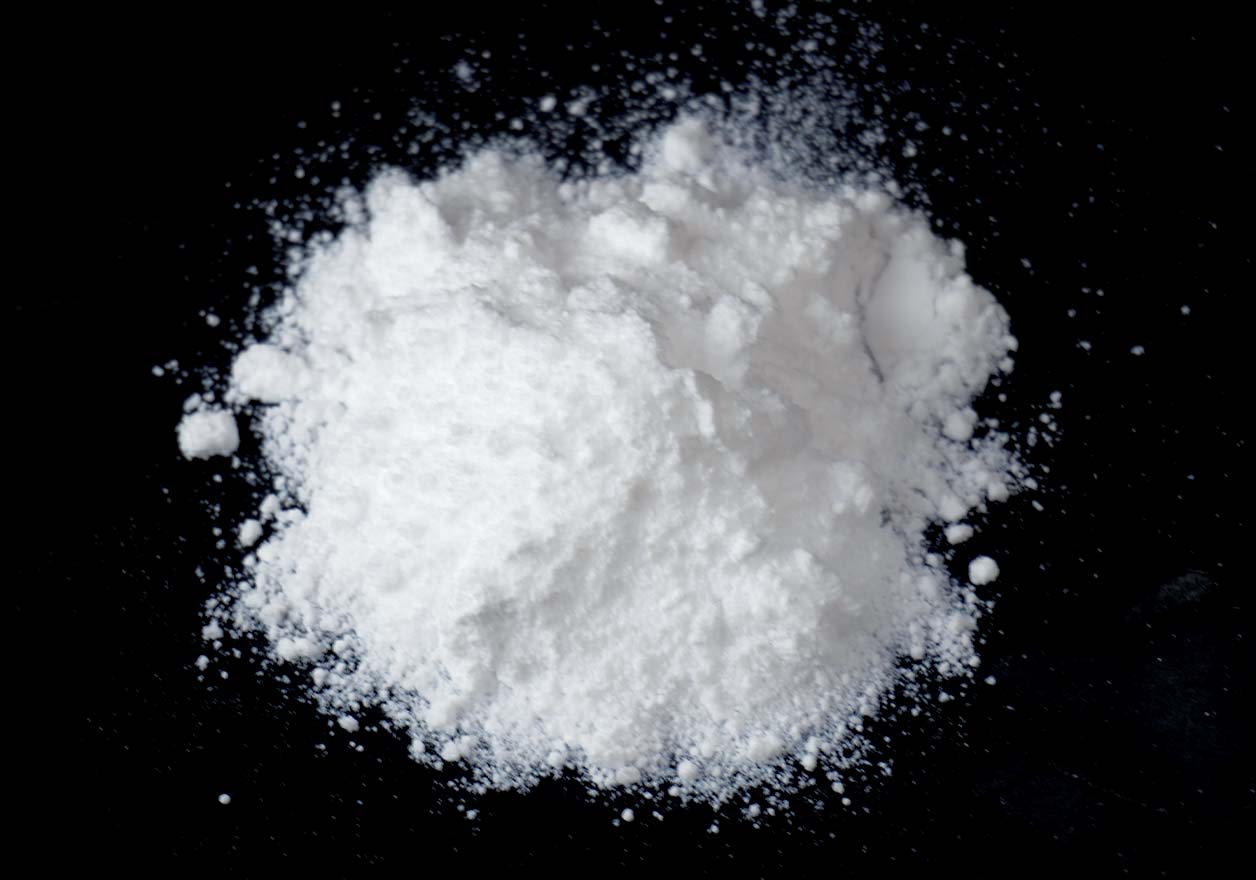
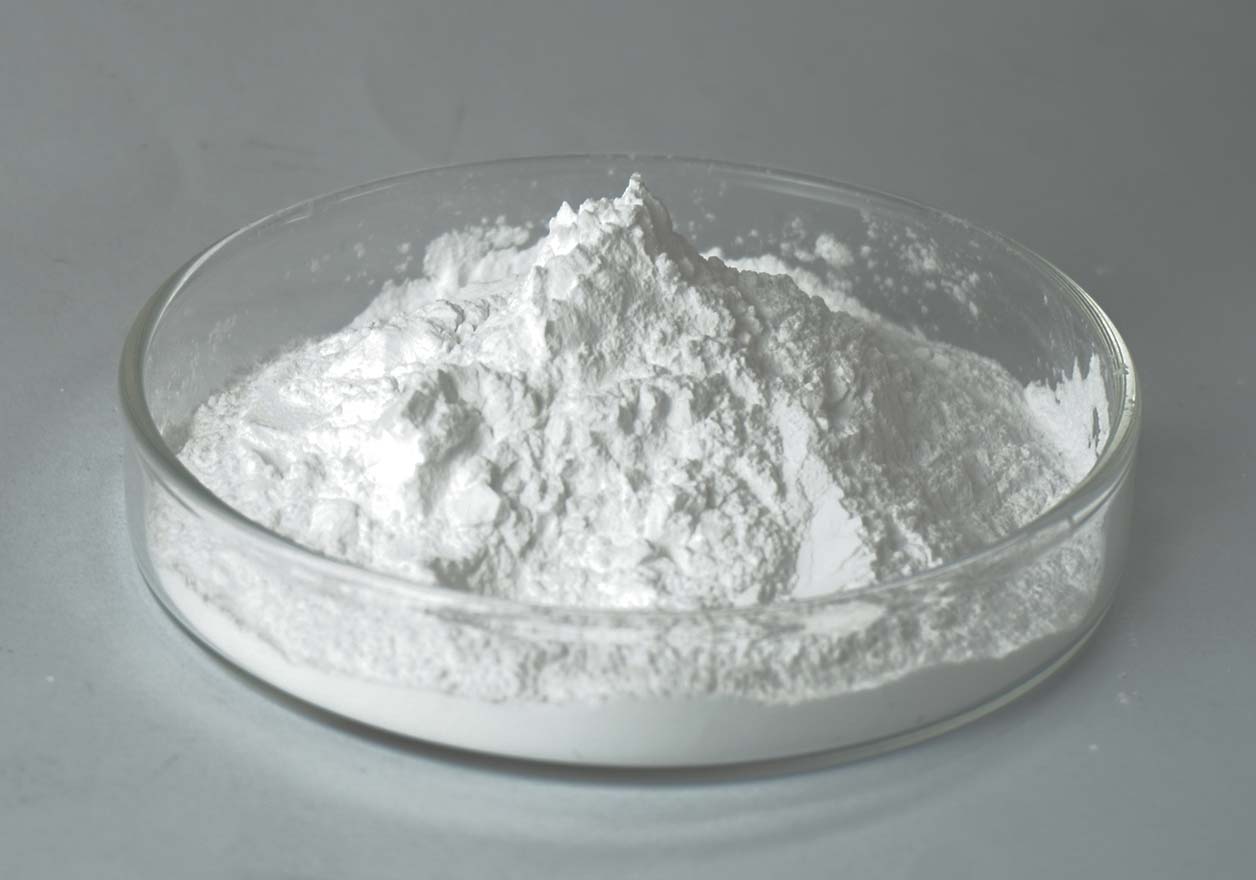

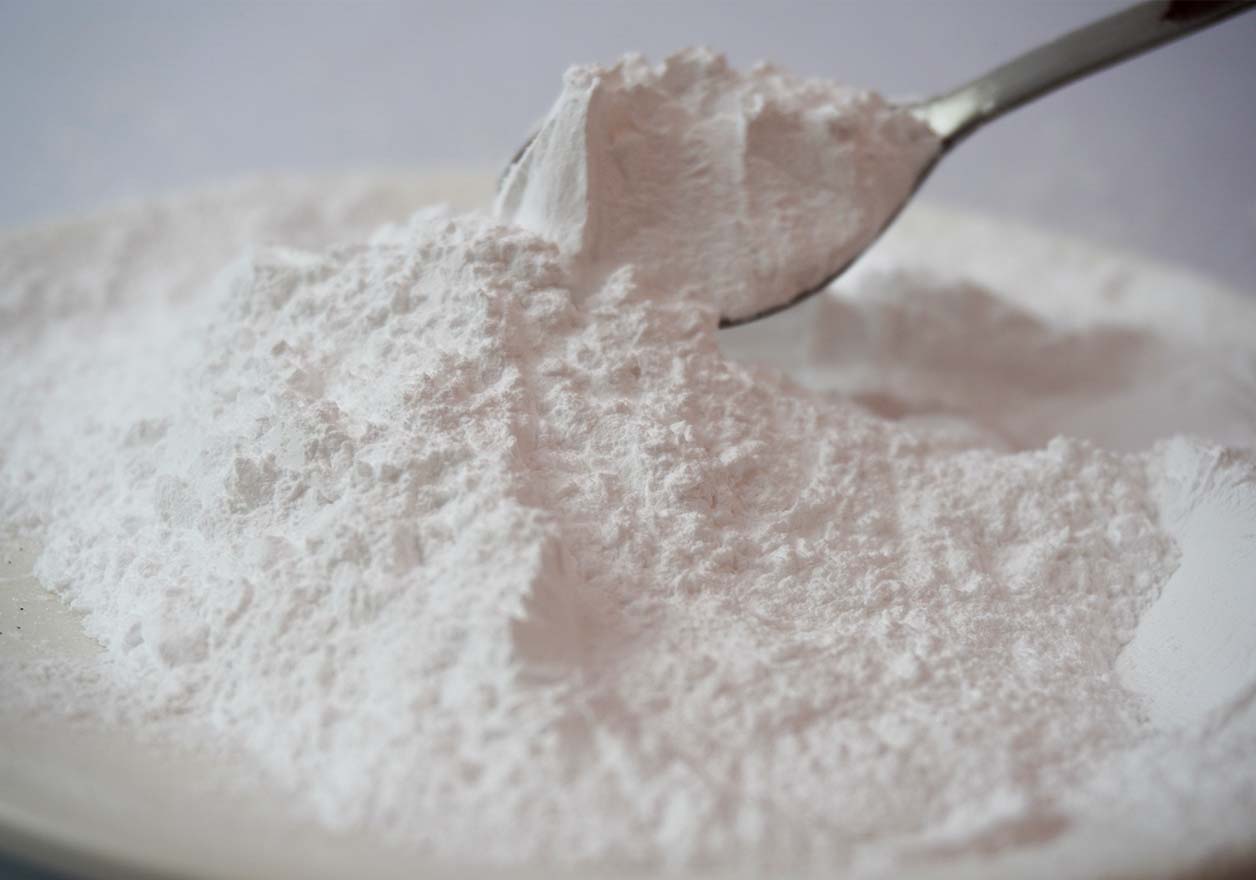
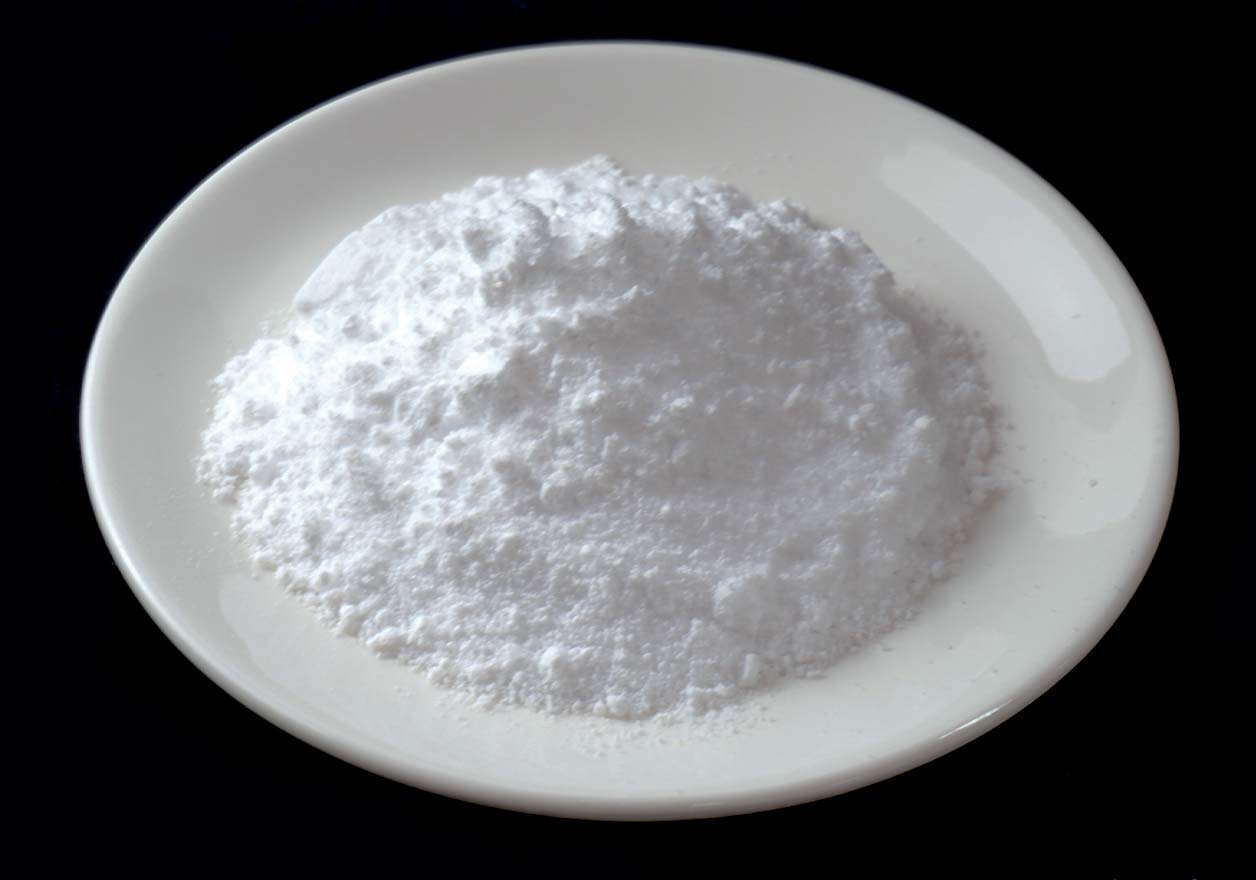
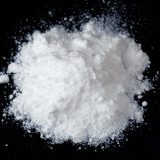
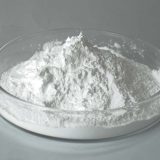
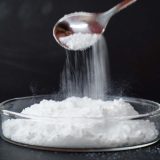
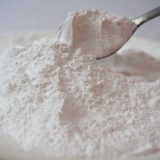
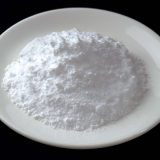


Nano‑silica, also called “white carbon black,” consists of amorphous silica (SiO₂) particles 1‑100 nm in diameter. With the same composition as quartz (~46.8% Si, 53.3% O), it is a high‑purity (>99.9%) ultrafine white powder. Primary particles are spherical but typically form loose, fluffy agglomerates due to high surface energy.
Although insoluble in water, its surface contains abundant hydrophilic silanol groups (-SiOH), enabling easy chemical modification. The nanoscale size and high surface area significantly reinforce composites, while strong UV scattering and reflection improve anti‑aging performance. As a result, it serves widely as a reinforcing agent, UV blocker, and thixotropic agent in rubber, plastics, coatings, cosmetics and related industries.

The properties of nano‑silica arise from its nanoscale size (1‑100 nm) and amorphous SiO₂ structure. Its high specific surface area (50‑600 m²/g) and abundant surface silanol groups (–SiOH) confer strong surface activity, enabling excellent adsorption, catalytic support, and interfacial bonding. Being smaller than visible light wavelengths, it retains high transparency in composites while effectively scattering UV light (UVA/UVB) for UV protection. Nanoparticles reinforce matrices like “nano‑rebar” and, through hydrogen‑bonded networks, impart shear‑thinning thixotropy—controlling flow and sag in coatings and adhesives. It is chemically stable, heat‑resistant, non‑toxic, and biocompatible.
In essence, nano‑silica converts the inherent stability of silica into nanoscale surface activity, making it a versatile functional material that meets needs for reinforcement, protection, and processability.
| Property Category | Key Parameters | Description & Significance |
| Basic Physical | Particle Size | Typically 1-100 nm. |
| Specific Surface Area | 50-600 m²/g。 | |
| Morphology | Primary particles are typically spherical; often appears as fluffy or network-like agglomerates in practice. | |
| Density | Tap density 0.05-0.2 g/cm³ (loose powder); true density consistent with amorphous SiO₂ (~2.2 g/cm³). | |
| Optical | Transparency | Particle size smaller than visible light wavelength (380-750 nm). Exhibits high transparency when well-dispersed in a matrix. |
| UV Shielding | Possesses strong scattering and reflection capabilities against ultraviolet light (especially UVA: 315-400 nm, UVB: 280-315 nm). | |
| Surface & Chemical | Surface Groups | Surface is rich in silanol groups (-SiOH), making it hydrophilic and acidic. These are active sites for chemical modification (e.g., grafting silanes). |
| Chemical Stability | Chemically inert. Heat-resistant. Insoluble in water and most acids except hydrofluoric acid; soluble in strong alkalis. | |
| Biocompatibility | Non-toxic, odorless. Amorphous silica is generally considered biocompatible and is widely used in food, pharmaceuticals, and cosmetics. | |
| Modifiability | Surface -SiOH can react with various coupling agents for hydrophilicity, hydrophobicity, or specific functionalities. | |
| Mechanical & Rheological | Reinforcement | Effective stress transfer as nano-filler, enhancing tensile strength, hardness, toughness, wear resistance |
| Thixotropy | 3D network via hydrogen bonding enables shear-thinning (sag resistance, beneficial for application and anti-sagging. | |
| Thermal & Electrical | Thermal Stability | Heat-resistant, melting point ~1700°C (consistent with amorphous SiO₂). |
| Coefficient of Thermal Expansion | Extremely low, similar to quartz glass (~0.5×10⁻⁶/K), aiding in the preparation of dimensionally stable composites. | |
| Electrical Insulation | An excellent electrical insulator with high resistivity and low dielectric constant. |
| Product Model | H-506 | ||
| Key Indicators | |||
| Test Item | Unit | Test Standard | Specification Range |
| 1. Heating Loss | % | HG/T 3065—2008 | ≤6.0 |
| 2. DBP Absorption | mL/100g | HG/T 3072—2008 | 220-250 |
| 3. Total Specific Surface Area | m2/g | GB/T 10722—2014 | 110-150 |
| 4. pH | / | HG/T 3067—2008 | 6~8 |
| 5. Conductivity | μS/cm | GB/T 34698—2017 | ≤900 |
| 6. Average Particle Size | μm | GB/T 32698—2016 | 12-18 |
| Application Area | PE Battery Separator | ||
| Product Model | H-620 | ||
| Key Indicators | |||
| Test Item | Unit | Test Standard | Specification Range |
| 1. Heating Loss | % | HG/T 3065—2008 | ≤7.0 |
| 2. Ignition Loss | % | HG/T 3066—2008 | ≤7.0 |
| 3. Silica Content | % | HG/T 3062—2008 | ≥98 |
| 4. DBP Absorption | mL/100g | HG/T 3072—2008 | 2.3~3.0 |
| 5.Total Specific Surface Area | m2/g | GB/T 10722—2014 | 150~200 |
| 6. Average Particle Size | μm | GB/T 32698—2016 | 9~ 13 |
| 7. pH | / | HG/T 3067—2008 | 6.0~7.5 |
| 8. Conductivity | μS/cm | GB/T 34698—2017 | ≤200 |
| 9. Fe Content | mg/kg | Phenanthroline Spectrophotometry | ≤150 |
| Application Area | Semi-transparent/transparent general-purpose high-temperature vulcanized silicone rubber and other general rubber products, including rubber sealing products, sealants, plastic fillers, etc. | ||
| Product Model | H-995 | ||
| Key Indicators | |||
| Test Item | Unit | Test Standard | Specification Range |
| 1. Heating Loss | % | HG/T 3065—2008 | ≤3.0 |
| 2. Ignition Loss | % | HG/T 3066—2008 | ≤5.0 |
| 3. Silica Content (Dry Basis) | % | HG/T 3062—2008 | ≥98 |
| 4. DBP Absorption | mL/100g | HG/T 3072—2008 | 250±20 |
| 5. Total Specific Surface Area | m2/g | GB/T 10722—2014 | 165±15 |
| 6. Average Particle Size | μm | GB/T 32698—2016 | 10~ 112 |
| 7. pH | / | HG/T 3067—2008 | 6.0~7.5 |
| 8. Conductivity | μS/cm | GB/T 34698—2017 | ≤200 |
| Application Area | Can be used to prepare various high-strength composites. Thermal insulation-type silica and its composites are mainly used in new energy vehicles, aerospace, industrial kilns, construction, and petrochemical fields. | ||
The above are the main product models. You can choose based on your application area or contact us for more models suited to your scenario. 5D-Materials supports demand customization and sample mailing for compatibility testing.
Reviews
There are no reviews yet.