

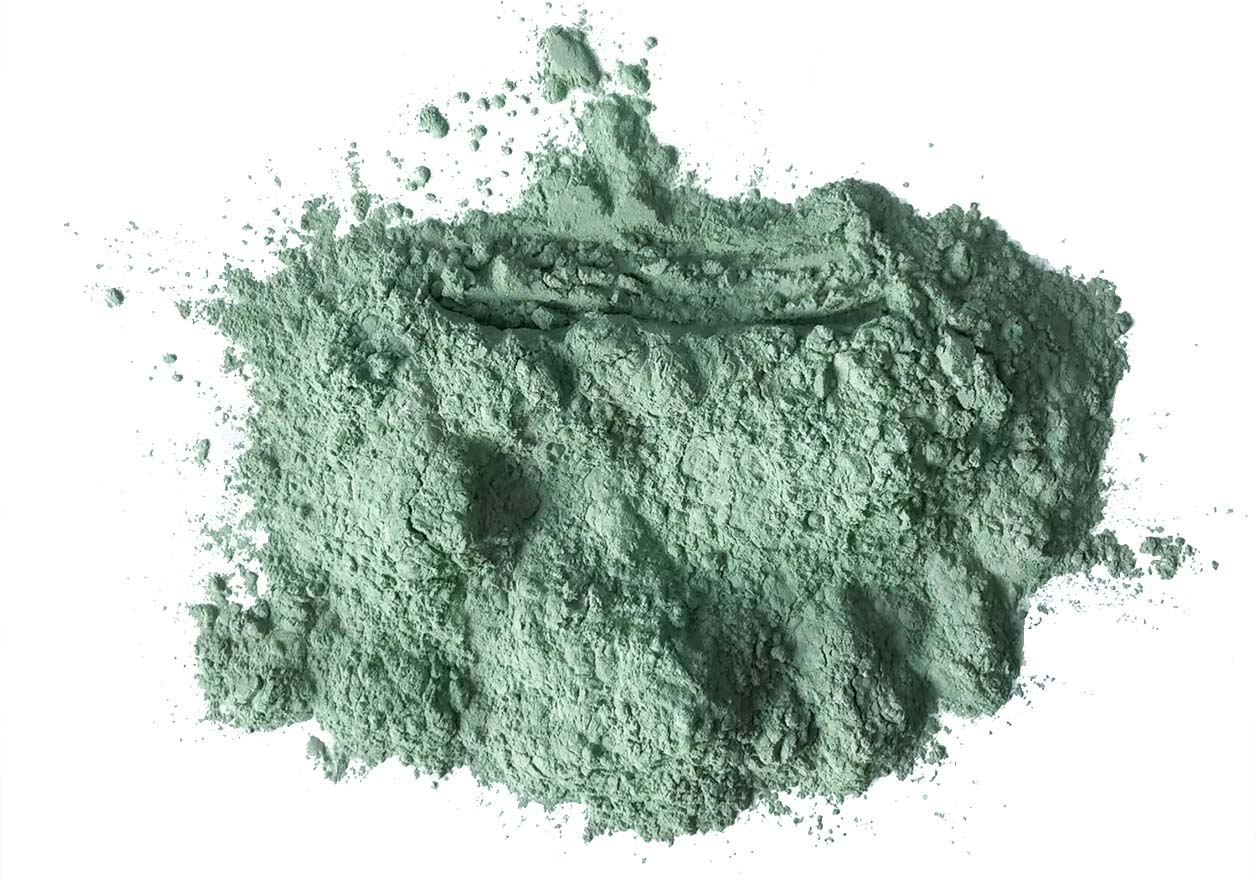
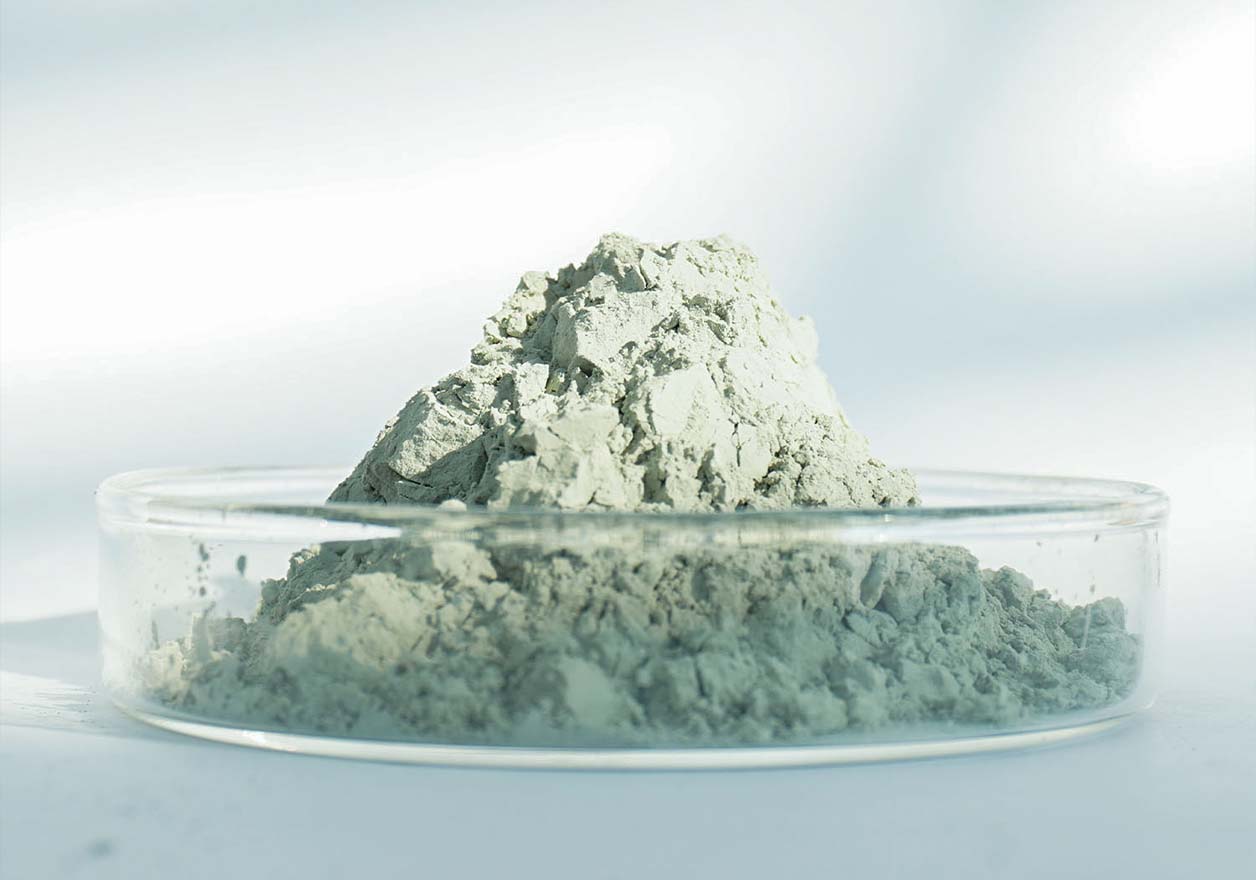
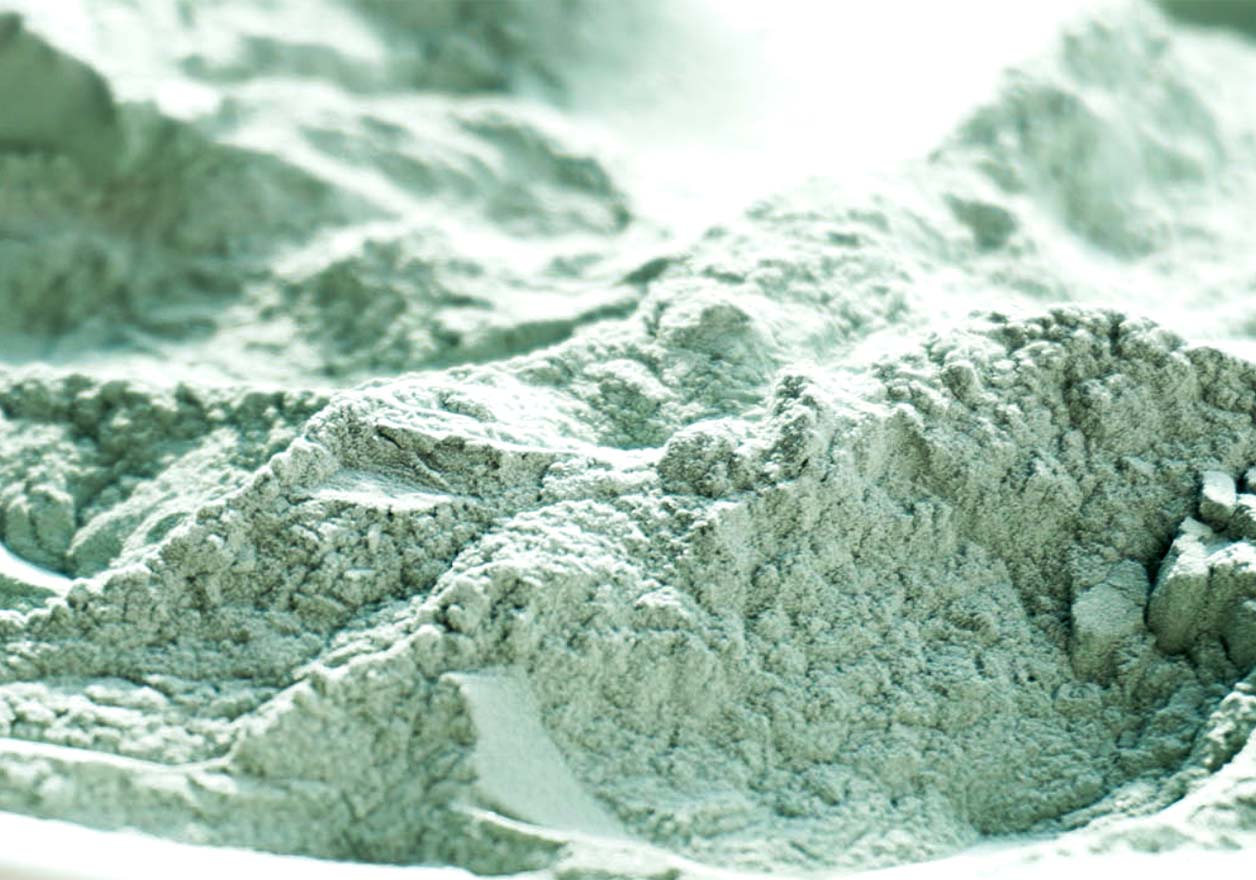
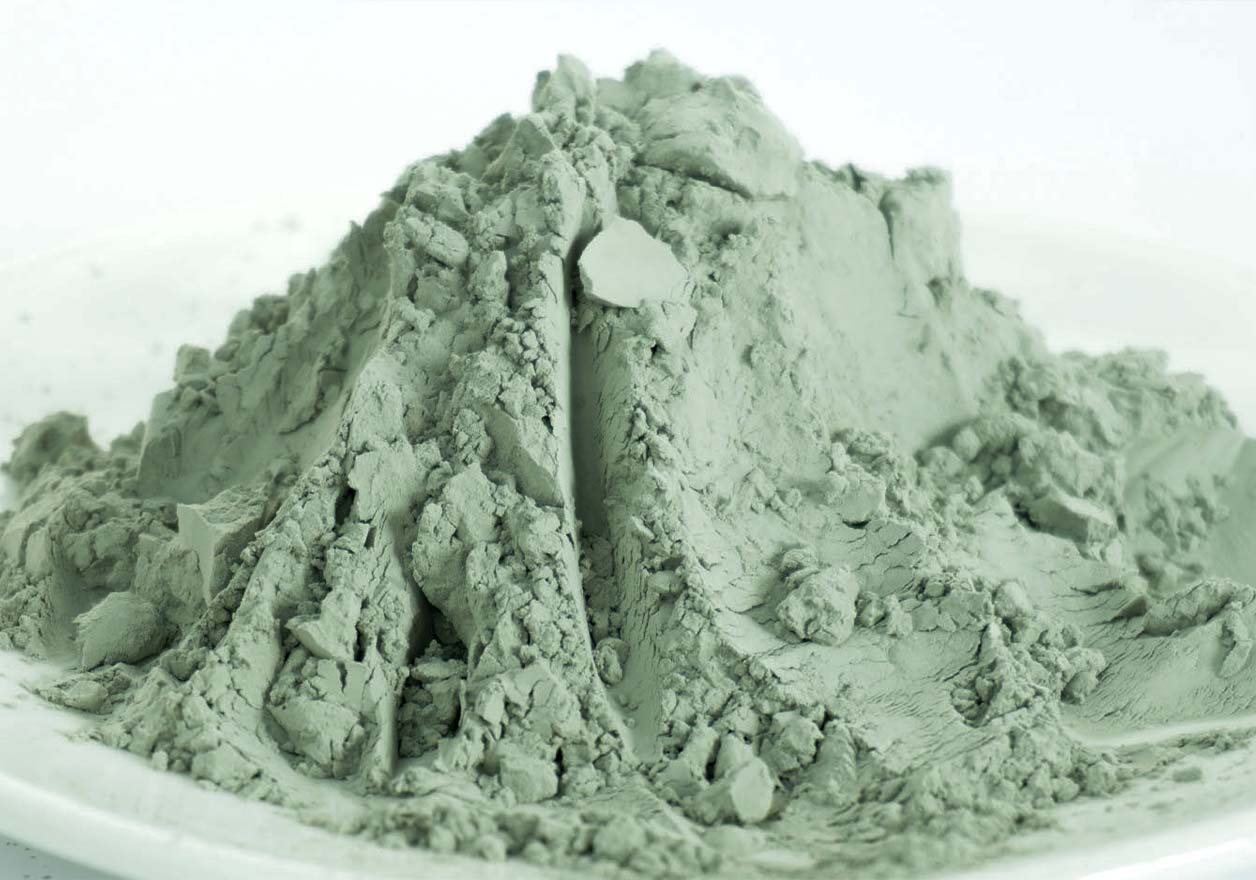
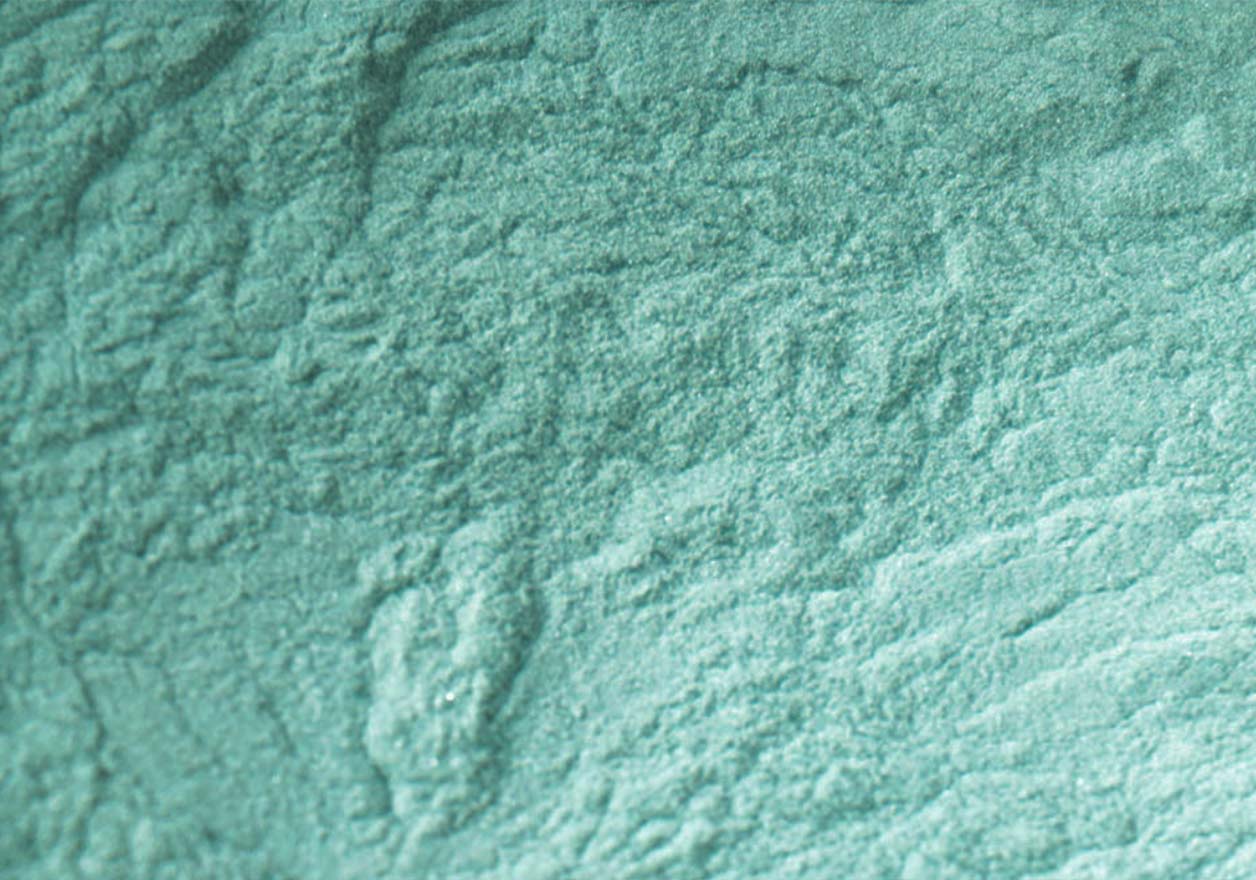
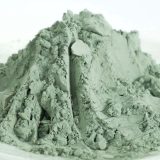
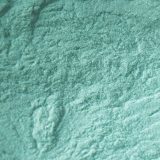


Silicon carbide (SiC) is a high-performance semiconductor and ceramic material formed by strong covalent bonds between silicon and carbon. With a Mohs hardness of 9.2, excellent grinding capability, chemical stability, and resistance to high temperatures/pressures, it is widely used in abrasives, refractories, and semiconductors. Its wide bandgap and unique combination of structural and electronic properties make it a key material for power electronics, RF communications, and optoelectronics, driving advancements in new energy vehicles, 5G, and smart grids.
Silicon carbide exhibits polytypism, with over 20 crystal structures arising from different stacking sequences; common types include 3C, 15R, 6H, 4H, and 2H. As a wide‑bandgap semiconductor, 6H‑SiC has a room‑temperature bandgap of 3.023 eV (vs. 1.1 eV for Si and 1.4 eV for GaAs). It also provides high thermal conductivity (3.6 W/(m·K) for 6H‑SiC) and a breakdown voltage 10× that of silicon.
Traditional growth methods such as Acheson and Lely yield only small crystals via spontaneous nucleation. Today, Physical Vapor Transport (PVT) is the preferred technique for producing large, high‑quality SiC single crystals. These crystals offer outstanding properties: wide bandgap, high breakdown voltage and thermal conductivity, high electron saturation velocity and mobility, low dielectric constant, and excellent radiation and chemical stability.
| Property | Value/Description |
| Chemical Formula | SiC |
| Crystal Structure | Polytypes, primarily 3C-SiC(β-SiC)、4H-SiC、6H-SiC、15R-SiC |
| 3C-SiC:Cubic, lattice constant a=4.36 Å。 Known as“β-SiC”,forms at lower temperatures. | |
| 4H-SiC:Hexagonal, current mainstream substrate for high‑voltage power devices. | |
| 6H-SiC:Hexagonal, used in optoelectronics and some power devices. | |
| 15R-SiC: Rhombohedral. | |
| Density | ~3.21 g/cm³ |
| Mohs Hardness | ~9.2 |
| Melting Point | ~2830°C (under high pressure) |
| Boiling Point | ~ 2700°C (at 1 atm, sublimes) |
| Thermal Conductivity | ~3.7-4.9 W/(cm·K)(4H-SiC) |
| Maximum Operating Temp. | Theoretically >600°C |
| Thermal Expansion Coefficient | Low, 4.0×10⁻⁶ /K(RT to 1000 °C) |
| Chemical Stability | Extremely high; resistant to strong acids, alkalis, and high‑temperature oxidation |
| Micropowder | JIS R6001-1998 | FEPA | ||||||
| SIZE | D3(um) | D50(um) | D94(um) | SIZE | D3 | D50 | D94 | |
| #240 | 103 | 57±3 | 40 | |||||
| #280 | 87 | 48±3 | 33 | F230 | 82 | 53±3 | 34 | |
| #320 | 74 | 40±2.5 | 27 | F240 | 70 | 44.5±2 | 28 | |
| #360 | 66 | 35±2 | 23 | F280 | 59 | 36.5±1.5 | 22 | |
| #400 | 58 | 30±2 | 20 | F320 | 49 | 29.2±1.5 | 16.5 | |
| #500 | 50 | 25±2 | 16 | |||||
| #600 | 43 | 20±1.5 | 13 | F360 | 40 | 22.8±1.5 | 12 | |
| #700 | 37 | 17±1.3 | 11 | F400 | 32 | 17.3±1 | 8 | |
| #800 | 31 | 14±1 | 9 | |||||
| #1000 | 27 | 11.5±1 | 7 | F500 | 25 | 12.8±1 | 5 | |
| #1200 | 23 | 9.5±0.8 | 5.5 | F600 | 19 | 9.3±1 | 3 | |
| #1500 | 20 | 8±0.6 | 4.5 | |||||
| #2000 | 17 | 6.7±0.6 | 4 | F800 | 14 | 6.5±1 | 2 | |
| #2500 | 14 | 5.5±0.5 | 3 | |||||
| #3000 | 11 | 4±0.5 | 2 | F1000 | 10 | 4.5±0.8 | 1 | |
| #4000 | 8 | 3±0.4 | 1.3 | F1200 | 7 | 3±0.5 | 1(80%) | |
| #6000 | 5 | 2±0.4 | 0.8 | F1500 | 5 | 2±0.4 | 0.8(80%) | |
| #8000 | 3.5 | 1.2±0.3 | 0.6 | |||||
| Ultrafine powder | Ultrafine powder for ceramic manufacturing | |||||||
| Particle Size | D50(um) | |||||||
| W5 | 5±0.3 | |||||||
| W3.5 | 3.5±0.3 | |||||||
| W1.0 | 0.8±0.1 | |||||||
| W0.2 | 0.2±0.1 | |||||||
| Coarse grit | Specification | |||||||
| F4-F220 | ||||||||
Reviews
There are no reviews yet.